
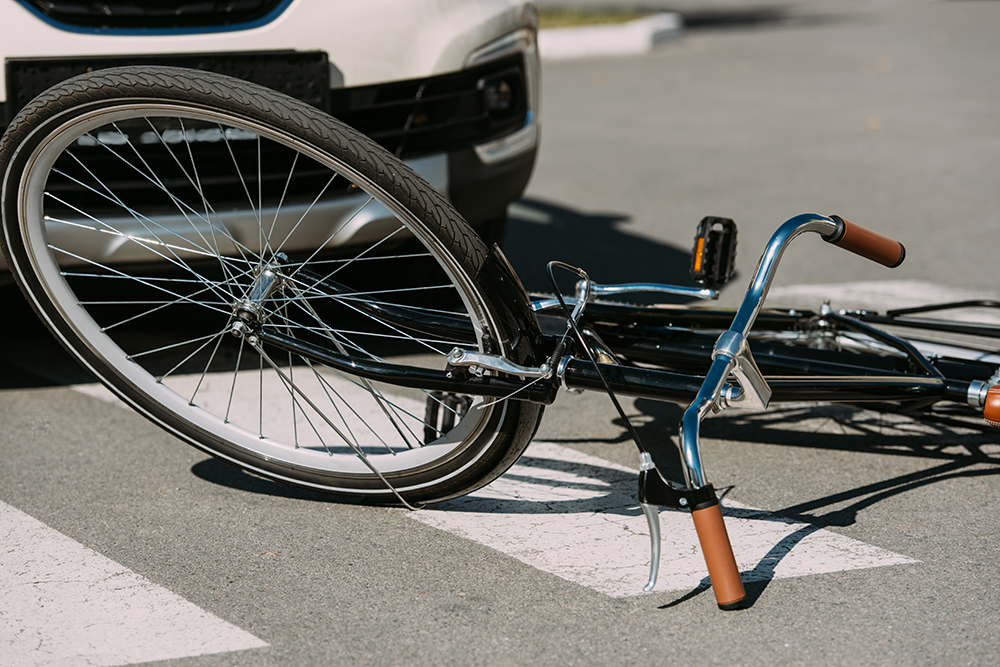
You were seriously injured while riding a rental electric scooter when a car door opened into your path. Your health insurance denied the claim saying it's an auto accident. Your auto insurance said they don't cover scooters. The rental company's insurance claims you assumed the risk. The driver's auto policy argues scooters aren't vehicles covered under their liability provisions. Now you're stuck with medical bills and no clear path to compensation.
Our friends at KBD Attorneys discuss how electric scooters and e-bikes occupy a legal gray area that insurance policies weren't designed to address. As a bicycle accident lawyer will tell you, these new mobility devices create coverage disputes, liability questions, and regulatory uncertainties that make injury claims more complicated than traditional vehicle or pedestrian accidents.
The Classification Problem
Electric scooters and e-bikes don't fit neatly into existing legal categories. They're not exactly bicycles because they have motors. They're not motor vehicles in the traditional sense because they're lightweight, low-speed, and don't require driver's licenses in most jurisdictions. They're not pedestrians because they travel at speeds up to 20 or 30 miles per hour.
This ambiguous classification creates problems when determining which laws apply, what insurance covers accidents, and which legal standards govern liability. Different states classify these devices differently, adding confusion when accidents cross jurisdictional lines.
Auto Insurance Coverage Gaps
Standard auto insurance policies were written decades before electric scooters existed. Policy language typically covers "automobiles" or "motor vehicles" with definitions that might or might not include electric scooters depending on interpretation.
When a car hits an electric scooter rider, the driver's auto liability insurance should cover the rider's injuries just as it would for hitting a bicyclist or pedestrian. However, insurance companies sometimes deny these claims arguing scooters are vehicles and coverage disputes arise about whether the scooter rider's own auto policy should apply.
When the scooter rider causes an accident injuring someone else, their personal auto insurance typically won't cover it. Scooters aren't listed vehicles on the policy, and the personal liability coverage might exclude motor vehicle accidents.
Homeowner's and Renter's Insurance
Personal liability coverage under homeowner's or renter's insurance sometimes covers scooter accidents, but many policies exclude coverage for motorized vehicles. Whether scooters qualify as excluded motorized vehicles depends on policy language and state law.
Some policies have motor vehicle exclusions that apply only to vehicles requiring registration. Since most scooters don't require registration, they might fall outside the exclusion and be covered. Other policies have broader exclusions covering any motorized device regardless of registration requirements.
Rental Company Insurance Issues
Companies like Bird, Lime, and Spin carry liability insurance covering certain injuries to riders and third parties. However, this coverage typically applies only to accidents caused by equipment defects or company negligence, not to general riding accidents.
Rental agreements require riders to agree to extensive liability waivers and insurance disclaimers. These agreements often state the rider assumes all risks and agrees their own insurance provides primary coverage. Whether these waivers are enforceable varies by state and specific circumstances.
The Equipment Defect Question
When scooter or e-bike accidents result from equipment failures like brake malfunctions, battery fires, or structural defects, product liability claims might exist against manufacturers or rental companies. These claims follow different rules than ordinary negligence claims and can provide recovery when traditional insurance coverage is unclear.
Proving defects requires retaining the damaged equipment for inspection. Rental companies often quickly retrieve scooters after accidents, potentially destroying evidence before riders understand their need to preserve it.
Sidewalk vs Road Riding Liability
Legal status changes depending on where scooters and e-bikes are ridden. Some jurisdictions prohibit sidewalk riding and require using bike lanes or streets. Others allow sidewalk use but impose speed restrictions. Violating these regulations can create comparative negligence reducing injury recovery.
When scooter riders are hit by cars, the location of riding affects liability analysis. Riders in bike lanes or streets have stronger claims than those riding on sidewalks where they might be prohibited or unexpected.
Uninsured Motorist Coverage Questions
When uninsured drivers hit scooter or e-bike riders, the riders might seek compensation through their own auto insurance uninsured motorist coverage. However, insurance companies dispute whether these policies cover riders when they're on scooters rather than in insured vehicles.
Some states have resolved this question through regulation or case law. Others leave it ambiguous, creating disputes that get resolved case by case through litigation or arbitration.
Municipal Liability for Infrastructure
Poorly maintained bike lanes, dangerous roadway defects, and inadequate infrastructure cause scooter and e-bike accidents. Municipal liability claims for these conditions face governmental immunity defenses and special procedural requirements.
Cities that authorize scooter rentals through permits might face heightened duties to maintain safe infrastructure for these devices. However, establishing this duty and overcoming immunity requires understanding specific local ordinances and state law.
Helmet Laws and Comparative Negligence
Many jurisdictions require helmets for scooter and e-bike riders, though enforcement varies. When riders suffer head injuries without wearing helmets, defendants argue comparative negligence reducing compensation.
The percentage of fault attributed to helmet non-use varies by case. Some jurisdictions hold that failing to wear helmets when required shows contributory negligence. Others limit the comparative fault to the increased injury severity rather than the accident itself.
Speed and Traffic Violations
Electric scooters and e-bikes sometimes exceed speed limits or violate traffic rules contributing to accidents. Riders who run stop signs, ride against traffic, or exceed posted speed limits face reduced recovery through comparative negligence even when other parties also contributed to collisions.
Some scooters can be modified to exceed manufacturer speed limits. When accidents occur at excessive speeds, questions arise about whether riders violated rental agreements or local ordinances.
The Role of Local Ordinances
Cities regulate scooters and e-bikes through local ordinances addressing where they can be ridden, parking requirements, speed limits, and age restrictions. Violating these ordinances affects liability and comparative fault analysis.
Riders often don't know local rules, particularly when visiting unfamiliar cities or using rental scooters for the first time. Ignorance of regulations doesn't excuse violations but affects how juries view rider fault.
Emerging Regulatory Frameworks
States and cities continue developing regulations specifically addressing electric scooters and e-bikes. These new laws clarify insurance requirements, safety standards, and liability rules. However, the patchwork of varying local regulations creates confusion about what rules apply.
Some jurisdictions now require rental companies to carry specific insurance coverage amounts. Others mandate that riders carry their own liability coverage. These requirements are still evolving and not uniformly adopted.
Medical Payment Coverage
Med pay coverage under auto insurance policies sometimes covers scooter accident injuries even when liability coverage doesn't apply. This first-party coverage pays medical bills regardless of fault up to policy limits.
However, insurance companies dispute whether med pay applies to scooter accidents, arguing the device isn't a covered automobile under the policy.
The Future of Scooter Insurance
Insurance industry is slowly developing products specifically for electric scooters and e-bikes. Some companies now offer personal mobility device insurance covering liability and medical payments.
However, adoption is limited and many riders don't know these products exist. Most scooter users rely on standard auto, homeowner's, or health insurance that wasn't designed for these devices.
If you've been injured in an electric scooter or e-bike accident and are facing insurance coverage disputes, denials from multiple insurers, or confusion about which policies should pay your claims, reach out to discuss how to identify all potential insurance sources, challenge denial letters claiming scooters aren't covered, pursue rental company liability when equipment defects contributed to your accident, and recover compensation despite the gray areas in how insurance policies and liability laws apply to these emerging transportation technologies.


