
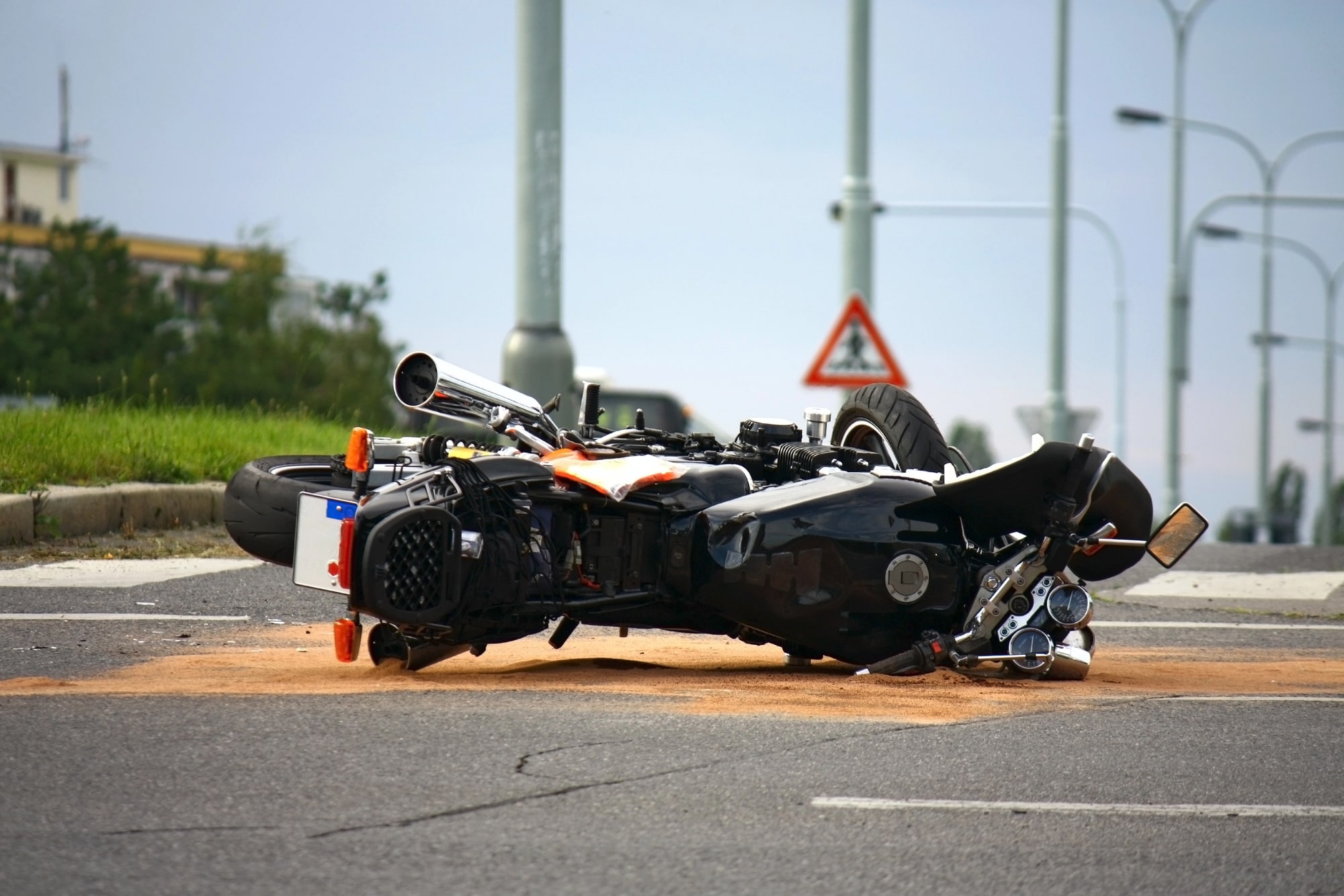
When a car driver causes a crash that injures a motorcycle rider, the at-fault driver's insurer doesn't simply write a check. They investigate. And in motorcycle cases, that investigation almost always includes a search for anything the rider did that can be characterized as contributing to the accident. Understanding why that happens, and what it means for an injured rider's recovery, is foundational to knowing how Ohio motorcycle accident claims actually work.
How Ohio's Modified Comparative Fault System Works
Ohio follows a modified comparative fault framework under Ohio Revised Code Section 2315.33. When multiple parties share responsibility for an accident, each party's fault is assigned as a percentage. The injured person's total damages are then reduced by their percentage of fault.
A Delaware County motorcycle rider found 20% responsible for a crash that caused $300,000 in damages recovers $240,000. The reduction is proportional and applies to every category of damages, economic and non-economic alike.
The modification that makes Ohio's system particularly significant is the 51% bar. When a plaintiff's fault reaches 51% or more, recovery is barred entirely. At exactly 50%, recovery is still available, reduced by half. At 51%, the door closes completely. That single percentage point represents an enormous financial difference in a serious injury case, which is why insurance companies target it specifically.
Why Insurers Target Motorcycle Riders for Fault Arguments
Motorcycle cases attract more aggressive fault attribution than standard car accident cases, and that pattern isn't accidental. Insurers and defense attorneys understand that many people, including potential jurors, hold preconceptions about motorcyclists as a class. The stereotype of the reckless rider exists independent of what actually happened in any specific crash, and it creates an opening that insurers exploit systematically.
Common fault arguments directed at Delaware County motorcycle riders include:
- The rider was traveling above the posted speed limit, even marginally
- The rider was operating in a lane position that made them less visible to other drivers
- The rider failed to take evasive action that an allegedly more skilled operator would have taken
- The rider's gear or equipment didn't meet an informal standard of caution
- The rider had a prior traffic history that gets characterized as a pattern of risky behavior
Each of these arguments is designed to push the fault percentage up. Some are based on genuinely disputed facts. Many are manufactured from speculation about what a hypothetical ideal rider would have done differently. Separating legitimate fault questions from invented narratives is part of what a Delaware motorcycle accident lawyer does when building the response to these arguments.
How Fault Gets Established in Ohio Motorcycle Cases
Fault percentages don't appear from nowhere. They're built from evidence and argued by each side. The evidence that shapes fault allocation in Ohio motorcycle cases includes:
- Police accident reports and any citations issued at the scene
- Traffic camera and surveillance footage showing both vehicles before and at the moment of impact
- Witness statements from people who observed the crash
- Expert accident reconstruction when the sequence of events is disputed
- Electronic data from the vehicles involved, including event data recorders
- Cell phone records when distracted driving by the car driver is suspected
Building the evidentiary record that supports accurate fault allocation requires acting quickly. Surveillance footage gets overwritten. Witnesses' memories fade. The physical evidence at the scene changes as road crews respond and traffic resumes. The sooner an independent investigation begins on the rider's behalf, the stronger that record becomes.
How Ohio's System Affects Settlement Negotiations
Fault percentages function as a financial framework for negotiations long before any trial. Insurers make initial offers based on their internal assessment of how fault would likely be divided if the case went to court. If they believe they can argue 30% rider fault, their initial offer reflects a 30% reduction from their estimate of total damages.
Knowing your own case's fault exposure before negotiations begin determines whether you're negotiating from an informed position or accepting whatever fraction an adjuster proposes. An insurer who believes a rider will accept their characterization of the facts without challenge has every reason to characterize those facts as unfavorably as possible.
Brenner Law Offices has over 25 years of experience representing injured Ohioans against insurers who use every available tool to minimize payouts. If you were injured in a motorcycle accident in Delaware County and have concerns about how fault might be characterized in your case, reach out to a Delaware motorcycle accident lawyer to discuss the specifics and understand where your case actually stands.


